
 EN
EN  Romana
 Deutsch
 Magyar
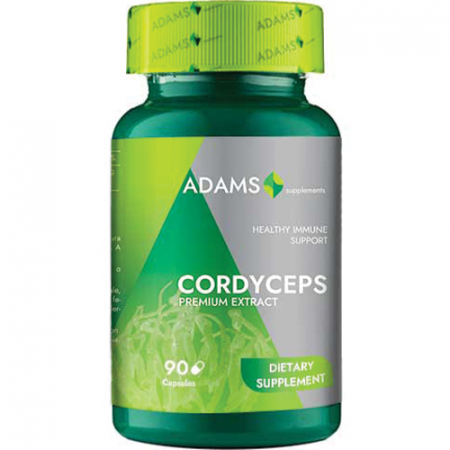
Cordyceps - Tibetan Mushroom, 30 capsules
![Cordyceps - Tibetan Mushroom, 30 capsules [1]](https://gomagcdn.ro/domains2/adamssupplements.com/files/product/original/cordyceps-ciuperca-tibetana-30cps-323779.jpg "Cordyceps - Tibetan Mushroom, 30 capsules [1]")


- Description
- Reviews (0)
Cordyceps increases the longevity and vitality of the body; antitumor, chemoprotective, radioprotective, adaptogenic, immunomodulatory.
Cordyceps is one of the rarest and most prized fungi, used in Traditional Chinese Medicine for thousands of years. It grows in isolated areas of Tibet at altitudes above 3500 m.
The Tibetan mushroom (Cordyceps sinensis) is known and used in traditional Chinese medicine for its therapeutic properties for thousands of years. The mycelium of the Tibetan mushroom is rich in nutrients and active biological components, such as: cordycepic acid, glutamic acid, mannitol, proteins, amino acids, polysaccharides, magnesium and calcium. These substances make the Tibetan mushroom an extraordinary means of restoring health and increasing the body's vitality.
Cordyceps offers multiple health benefits, with results often described as remarkable. Among the actions of Cordyceps we list:
- Increases longevity and vitality of the body
- Adaptogen
- Improves adrenal gland function
- Increases the body's ability to adapt to physical and psychological stressors
- Antitumor
- Immunomodulator, immunostimulant
- Stimulates the activity of macrophages, T lymphocytes and NK cells, thereby reducing the proliferation of abnormal cells
- Enhances the effects of chemotherapy and radiotherapy and reduces their negative effects
- Improves athletes' physical performance
- Regulates blood glucose, cholesterol and triglyceride levels
- Ensures normal cell division
- Regulates the cellular oxygen utilization rate
- Improves sexual function, increases libido
- Maintains joint and skeletal health
- Improves liver, kidney and lung functions
- Increases the body's adaptability to physical, psychological, immune, professional, social stressors, etc. (adaptogenic effect by improving adrenal gland activity)
- Improves longevity, increases endurance and athletic performance, aids recovery during convalescence: increases mitochondrial energy (ATP) levels
- Increases libido by improving the quality and quantity of seminal fluid: helps regulate the biosynthesis of cortisol, male sex hormone and estrogen
- Modulates the immune system
- Improves the cellular oxygen utilization rate
- Reduces chemotherapy-induced anemia: increases hematocrit and the serum resistance of erythrocytes
- Cordyceps has an antitumor effect
- Protects the kidneys and liver from antibiotic toxicity
- Reduces bronchial secretions and cough
- Regulates heart rhythm and tones the heart muscle, relaxes blood vessels: stimulates nitric oxide synthesis
- Reduces total cholesterol, LDL cholesterol and triglyceride levels, atheromatosis and lipid peroxidation
- Maintains normal liver structure and portal vein pressure by reducing fibrous tissue
- Maintains normal blood glucose concentration: increases peripheral insulin receptor sensitivity
Indications:
- Oncological conditions
- Immune system modulation
- Radiotherapy, chemotherapy
- Renal disorders
- Increased libido
- Improved physical performance and endurance
- Liver conditions (hepatitis B, cirrhosis)
- Cardiac ischemia, atherosclerosis
- Pulmonary and respiratory conditions (chronic bronchitis, bronchial asthma)
- Strong antitumor effect
Administration:
Cordyceps is administered as 1–2 capsules per day.
In severe cases or at the recommendation of a physician or pharmacist, the dose may be increased.
Presentation: 30 capsules
Alternative Products
Frequently bought together


Customer Support M-F 09:00 - 16:00
sales@adamssupplements.com